The method behind every finding.
Northflow runs one method. We find the cause in the data your operations already record, verify the physical world where the question is physical, and build the systems that act on the result. The same method carries a two-week review and a system that runs in production for years.
Request a baseline studyFind the cause. Verify. Build.
The cause, ranked
The engine proposes a field of falsifiable candidate causes from the structure in your data, tests each against your own measurements, and returns a ranked table. What does not hold, falls.
The physical world
When the question is physical, we bring independent evidence: satellite InSAR that reads millimetre movement across a whole site from open archives, with no new hardware and no dependence on the operator.
The system that acts
A finding that stays in a report changes nothing. We build the software that acts on the result, migrate it onto the infrastructure you require, managed cloud or self-hosted in Europe, and keep it running in production, monitored and developed year after year.
The engine: HGE
Every ranked finding comes from one engine. HGE derives its candidates from the structure in the data rather than from prior assumptions, tests each against your actual measurements, and traces every result back to the raw signal. The same question gives the same answer, every time, which is what lets a third party check it.
What the method has produced
The signal is in your data.
The method adds no data you do not have. It finds what your own measurements already contain, and turns it into something you can act on and defend.
Start with a baseline study.
A fixed-fee, fixed-duration engagement with a defined deliverable. Bring one concrete problem in your operations or your data, and leave with a result you can act on.
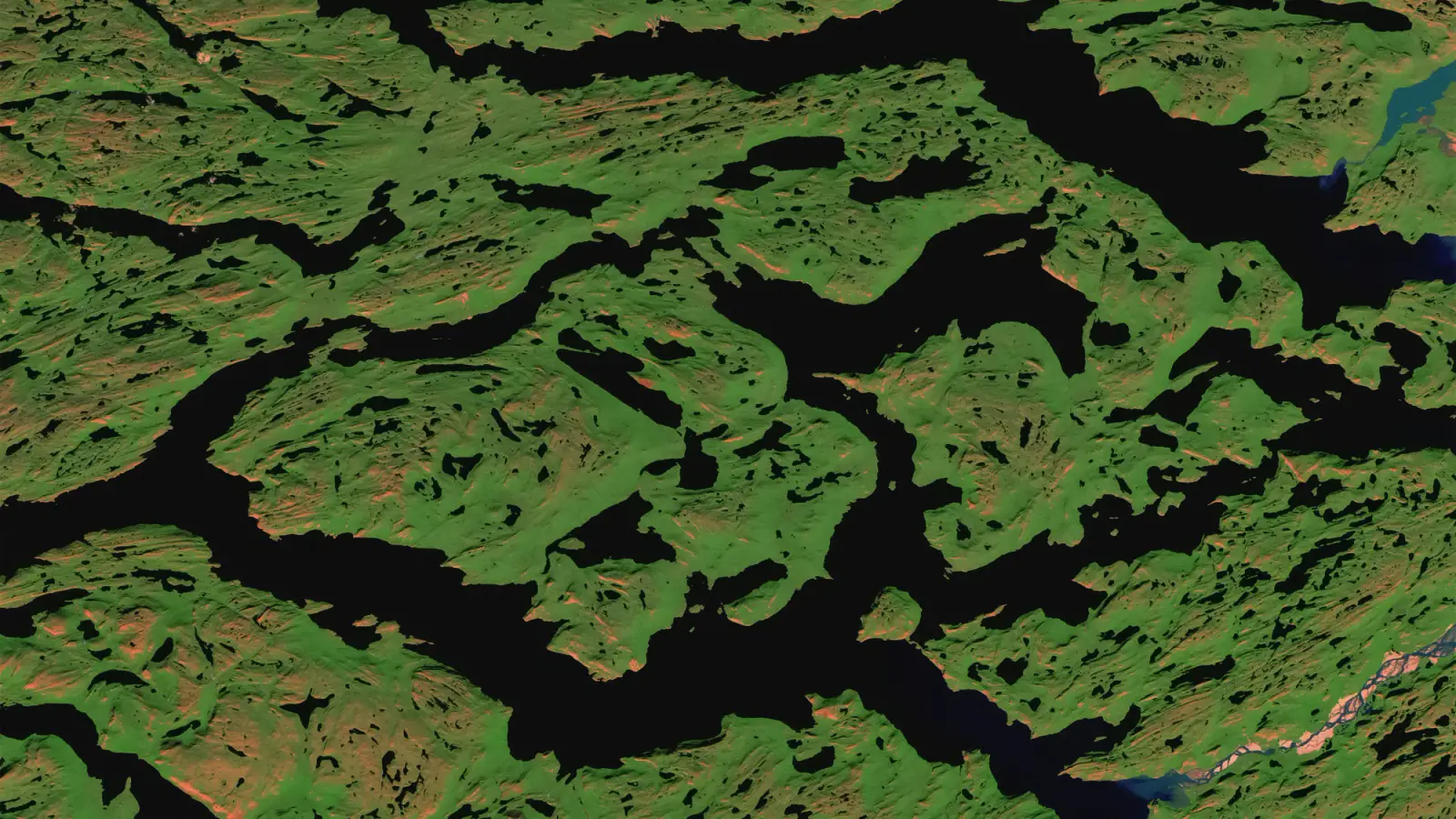 Contains modified Copernicus Sentinel data. Sentinel-2 cloudless by EOX (CC BY 4.0)