Probabilistic forecasting in production across 43 countries.
Request a baseline studyEarly warning of food crises means combining many weak, noisy signals into something people can act on, with the uncertainty stated honestly rather than hidden. Getting it wrong in either direction costs lives or credibility.
CERES builds probabilistic forecasts on open data and pre-registers every prediction with a unique ID. At 90 days each is graded against the outcome in a public, write-once ledger, so the pipeline can be checked by anyone.
Weekly 90-day forecasts run in production across 43 countries, continuously available through the CERES public API and the public grading ledger. They were published as open data on the OCHA Humanitarian Data Exchange under CC BY 4.0 from March to April 2026.
The same discipline applies on a plant floor: combine weak indicators into one decision, keep the result auditable, and never present a guess as a number. If it is robust enough for humanitarian response, it is robust enough for your Monday morning meeting.
Start with a baseline study.
A fixed-fee, fixed-duration engagement with a defined deliverable. Bring one concrete problem in your operations or your data, and leave with a result you can act on.
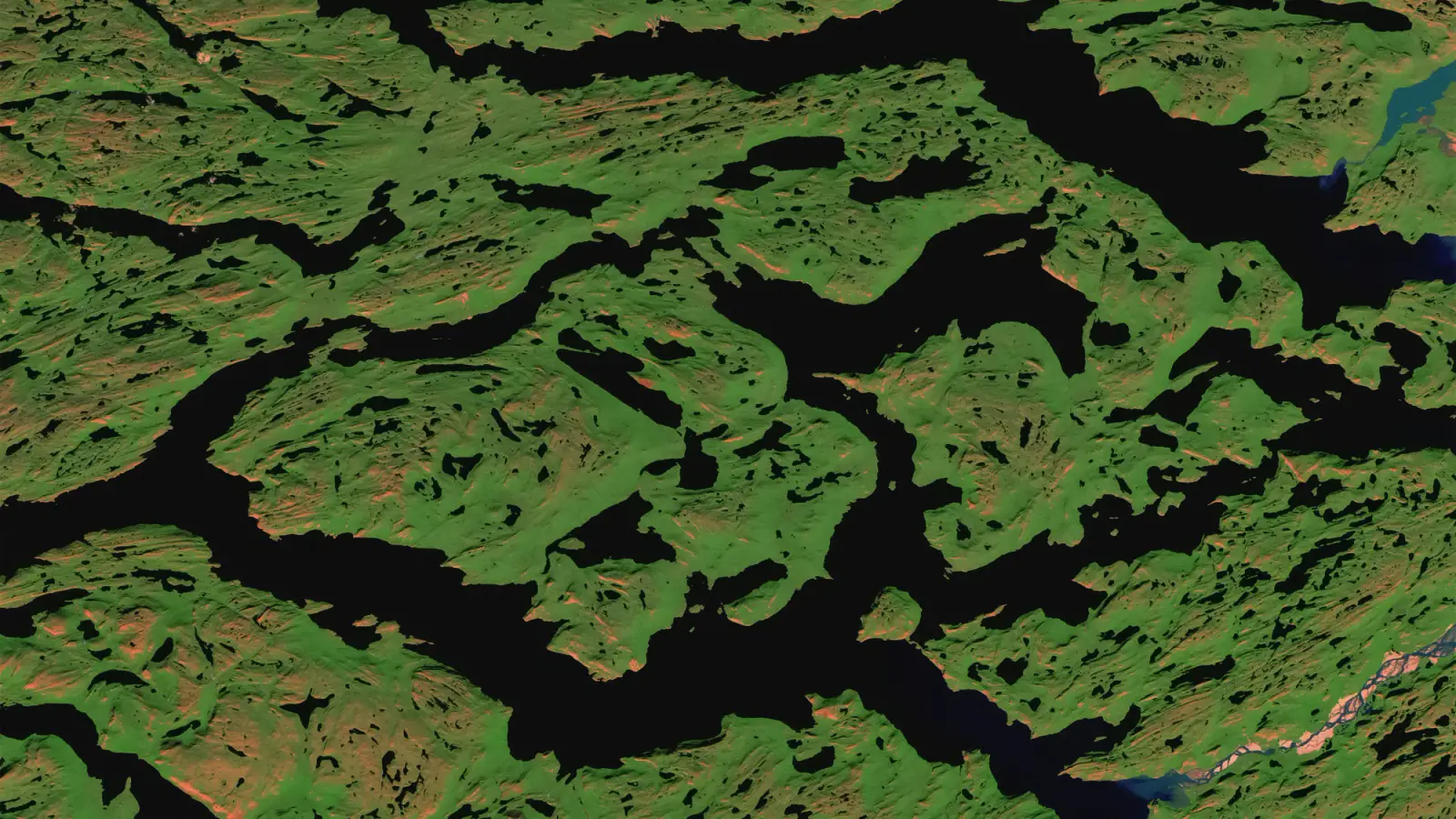 Contains modified Copernicus Sentinel data. Sentinel-2 cloudless by EOX (CC BY 4.0)